Ever wondered how bandage and bodycon dresses differ?
Many wholesale buyers mix them up, leading to inventory mismatches.
This confusion can hurt sales.
Let’s clear it up with practical insights for smarter buying decisions.
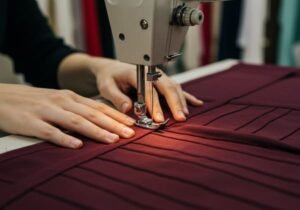
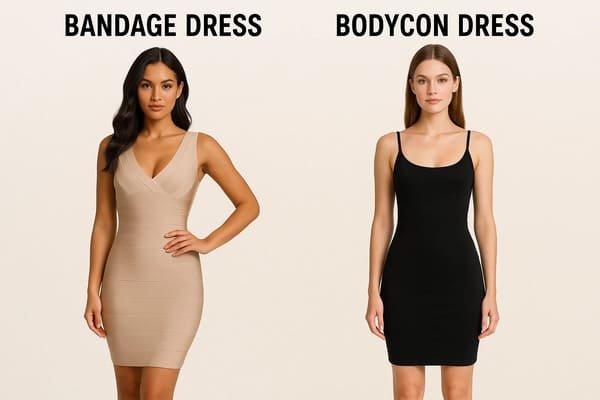
Bandage dresses are constructed from multiple strips of fabric, providing a structured, sculpting fit.
In contrast, bodycon dresses are made from a single piece of stretch fabric that conforms to the body’s natural curves.
While both styles are form-fitting, their distinct construction methods result in varied silhouettes and levels of support.
This difference is crucial for inventory planning.
Keep reading to dive deeper into the bandage dress and bodycon market.
I’ll break down critical differences to help you make informed wholesale choices.
What Defines a Bandage Dress in Today’s Market?
Struggling to pinpoint what sets a bandage dress apart?
Many buyers overlook its unique traits, risking poor stock decisions.
Let’s uncover the essentials for your wholesale strategy.
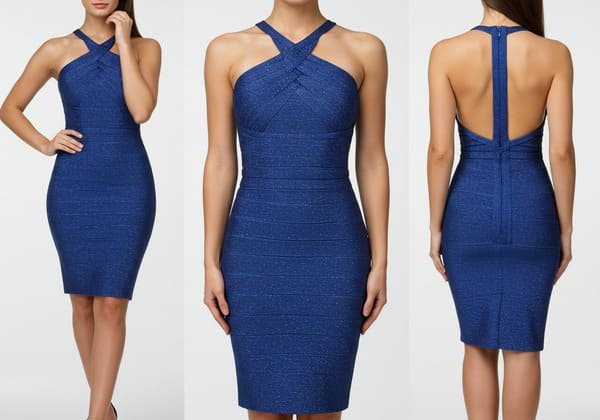
A bandage dress is defined by its unique construction, utilizing multiple strips of fabric sewn together.
These strips are designed to hug the body tightly, creating a distinctive sculpting and shaping effect.
This construction provides a structured, often luxurious feel, setting it apart in the market.
Its defining feature is the individual fabric band design.
Why does this matter for your business?
Stick with me to explore more about the bandage dress landscape and refine your sourcing approach.
Bandage Dress Defined
Let’s start with the basics of what makes this style unique.
A bandage dress isn’t just tight; it’s crafted for impact.
Here’s a closer look at its standout features.
- Distinctive Fabric Strips: These bandage dresses use separate strips, sewn intricately to form the garment.
This method sets them apart from other tight-fitting styles.
It creates a bold, tailored appearance for upscale markets. - Sculpting and Compressing Design: The strips work to shape the body, almost like shapewear.
They compress and lift strategically.
This delivers an hourglass silhouette that buyers crave. - Premium and Luxurious Feel: With a structured build, these dresses exude high-end appeal.
The texture feels substantial, not flimsy.
It’s a go-to for events needing elegance.
Now, consider how these traits influence customer demand.
Each element adds value, making it a top pick for certain niches.
Let’s reflect on sourcing from a premium bandage dress manufacturer to meet expectations.
How Does a Bodycon Dress Differ from Bandage Styles?
Ever noticed how bodycon dresses seem similar yet feel so different?
Misjudging them can confuse your inventory mix.
Let’s break down what defines this popular style for wholesale clarity.
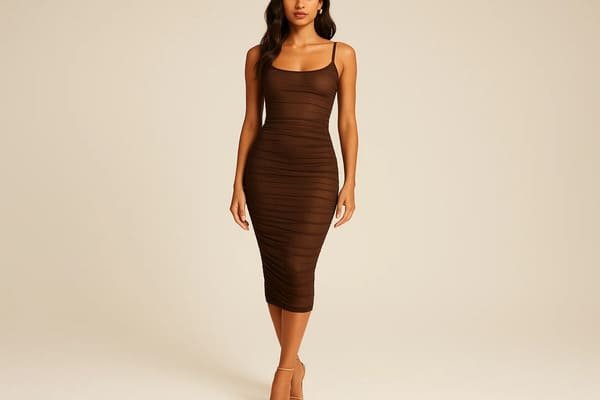
A bodycon dress, short for "body-conscious," is a tight-fitting style made from a single stretch fabric designed to accentuate natural curves.
It closely follows the body’s contours without added structure, prioritizing simplicity and versatility.
In contrast, bandage dresses feature multiple strips of fabric for a sculpting effect.
Curious about deeper distinctions?
Let’s move forward and unpack more details on bodycon and bandage dress differences.
Bodycon Dress Defined
Diving into the core of a bodycon dress, it’s all about fit over structure.
This style has its charm for wholesale buyers.
Here’s what you need to know.
- Tight, "Body-Conscious" Fit: This dress hugs the body closely, showing off natural lines.
It’s less about altering shape and more about enhancing what’s there.
Ideal for casual or trendy looks. - Single Stretch Fabric Use: Unlike multi-strip designs, it’s crafted from one piece of high-stretch material.
This keeps production straightforward.
It also affects the final cost for bulk orders. - Contours Natural Shapes: The fabric drapes over existing curves without heavy compression.
It offers a softer, more relaxed silhouette.
This appeals to a broader customer base seeking comfort.
Reflecting on these points, bodycon dresses fill a unique spot in inventory planning.
Their simplicity can balance out more complex styles.
Think about how they fit into your sourcing strategy.
How Does Construction Vary Between Bandage and Bodycon Dresses?
Construction differences often trip up wholesale buyers.
Ignoring them might mean stocking dresses that don’t sell.
Let’s compare how bandage and bodycon dresses are built for better decision-making.
Bandage dresses are constructed from multiple strips of woven elastic fabric, meticulously sewn together to provide significant support and shape.
Conversely, bodycon dresses use a single panel of high-stretch knit fabric.
This simpler construction allows them to conform to the body’s natural curves, though with less inherent structure than a bandage dress.
These insights can transform your sourcing game.
Stay tuned as we explore the nuances of each style’s construction.
Bandage Dress Construction Nuances
Let’s zero in on what makes bandage dress production stand out.
It’s not just sewing; it’s engineering for style.
Here are the key aspects.
- Woven Elastic Bands Sewn Together: Individual bands are meticulously joined to form the bandage dress.
This creates a tight, controlled fit.
It’s a labor-intensive process requiring precision for quality. - Internal Supportive Structure: The bands build an inner framework, almost like hidden shapewear.
They hold everything in place.
This design adds durability and a polished look for upscale buyers. - Targeted Compression for Shape: Specific areas get extra squeeze, crafting an hourglass effect.
It’s ideal for dramatic silhouettes.
Fashion buyers notice this intentional shaping right away. - Specialized Manufacturing Expertise: Crafting these bandage dresses demands skilled hands and advanced techniques.
Not every supplier can deliver.
Experience shows that partnering with experts ensures consistent results.

These construction details elevate the garment’s appeal in premium markets.
Consider how they impact sourcing from a reliable bandage dress supplier.
Weigh the effort against the perceived value for your clients.
Bodycon Dress Fabric & Construction
Shifting focus to bodycon dresses, simplicity rules their design.
Yet, there’s more to it for wholesale success.
Let’s break it down.
- Single Panel High-Stretch Knit: One piece of elastic fabric forms the entire dress.
This cuts down production time.
It also keeps costs lower for bulk orders across markets. - Reliance on Fabric Elasticity: There’s no added structure; stretch does all the work.
Fit depends heavily on material quality.
Poor fabric can mean inconsistent sizing for customers. - Simpler Cut-and-Sew Techniques: Basic patterns and stitching make production faster.
This allows scalability for mass orders.
It’s a practical choice for trend-driven stock. - Broader Range of Fabric Blends: Options like cotton, polyester, or spandex mixes abound.
This variety affects comfort and price.
Testing blends ensures the right balance for your audience.

Think about how these factors play into wholesale planning.
Simplicity can be a strength if quality holds up.
Factor this into discussions with suppliers for optimal results.
What’s the Difference in Fit Between Bandage and Bodycon Dresses?
Fit and silhouette often define a dress’s appeal.
Misreading these for bandage or bodycon styles risks customer dissatisfaction.
Let’s explore how each shapes up for your wholesale needs.
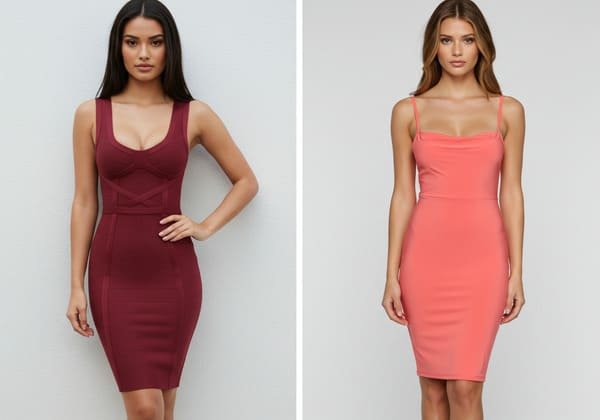
Bandage dresses offer a compressive, sculpting fit, designed to shape the body and provide a dramatic silhouette.
In contrast, bodycon dresses provide a snug fit that follows the body’s natural lines, emphasizing existing curves without significant added structure.
This distinction influences their overall appearance and feel.
Why does fit matter so much?
Let’s dive deeper into these distinctions and see how they impact buyer preferences.
Bandage Dress Fit & Shaping
Starting with bandage dresses, fit is about transformation, not just style.
It’s a game-changer for specific looks.
Here’s what sets it apart.
- Compresses and Lifts Figure: The tight bands smooth and shape the body deliberately.
They lift in key areas.
This creates a confident, polished silhouette for wearers at events. - Built-In Shapewear Effect: It mimics supportive undergarments without extra layers.
This hidden feature adds appeal.
Customers value the seamless, streamlined effect for formal occasions. - Dramatic Sculpted Silhouette: The result is an exaggerated, curvy outline.
It’s not subtle but bold.
This makes it a standout in premium fashion circles. - Structured Consistent Tightness: Unlike softer fits, tightness stays uniform across wear.
There’s no sagging over time.
Quality construction from an experienced bandage dress factory ensures this reliability.
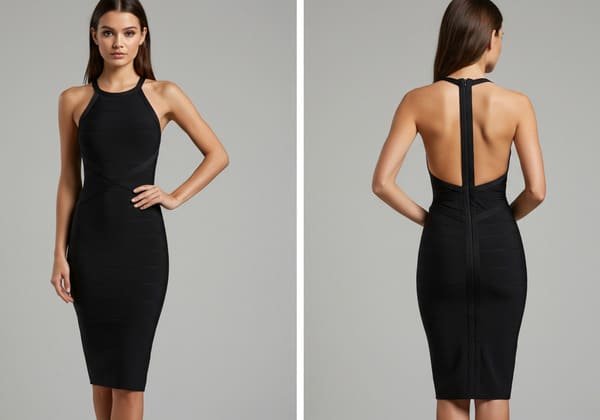
The unique fit of bandage dresses makes them a distinctive choice.
Now, let’s explore bodycon dresses.
They offer a different approach to silhouette, focusing on natural curves.
Bodycon Dress Fit & Form
Turning to bodycon dresses, the focus shifts to natural flow over forced shape.
It’s a different vibe for wholesale stock.
Let’s unpack it.
- Follows Body’s Natural Lines: This style clings to existing contours without altering them.
It shows off what’s there.
Perfect for buyers wanting a less restrictive fit. - Highlights Existing Curves: Emphasis is on natural shape, not added structure.
It flatters without reshaping.
This works well for casual or versatile wardrobes. - Less Compression, More Drape: Fabric stretches but doesn’t squeeze tightly.
It offers a softer silhouette.
Comfort often wins over drama for everyday wear. - Fit Varies by Fabric Stretch: The quality of elasticity impacts how it molds to the body.
Poor stretch means uneven fit.
Testing materials is key for a consistent inventory.
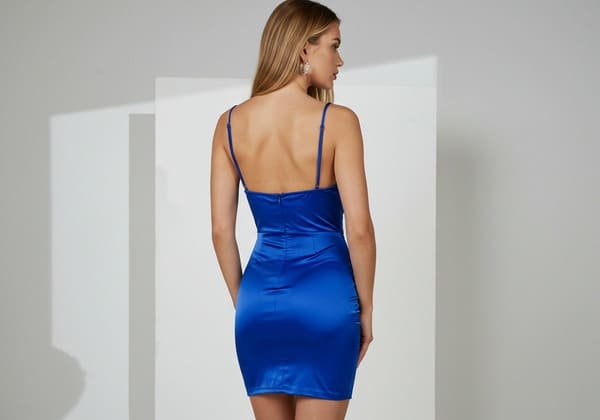
Consider how this relaxed fit broadens market appeal.
It balances out structured styles in your catalog.
Think about customer segments that prioritize ease alongside style.
How Do Market Positioning and Price Differ for Bandage Dresses?
Market positioning can make or break wholesale success.
Placing bandage or bodycon dresses incorrectly risks slow-moving stock.
Let’s compare their niches to guide your strategy.
Bandage dresses are positioned in the luxury market, ideal for upscale events due to their unique construction and shaping properties.
In contrast, bodycon dresses target a broader market, offering versatility across various occasions and price points.
This distinction influences pricing strategies and sourcing decisions.
These differences shape how you pitch to clients.
Join me to explore deeper market and pricing insights for smarter buying.
Bandage Dress Market Niche
Focusing on bandage dresses, their market slot is narrow but lucrative.
It’s about exclusivity over volume.
Here’s the breakdown.
- Premium High-End Segment: Positioned as luxury, these bandage dresses target upscale buyers.
They’re not everyday wear.
This fits clients seeking standout pieces for special occasions. - Ideal for Special Events: Think red carpets or formal galas; that’s their stage.
They scream sophistication.
Customers often associate them with confidence and glamour. - Higher Perceived Value: Due to construction and fit, they command elevated prices.
Buyers expect to pay more.
This reflects craftsmanship behind the bandage dress style. - Fashion-Forward Appeal: They attract bold, style-conscious consumers.
It’s a niche but loyal base.
Sourcing from a stylish bandage dress supplier can meet this demand.

This positioning requires careful inventory planning.
High price points mean selective stocking.
Balance this niche with broader offerings for stability in sales.
Bodycon Dress Market Breadth
Shifting to bodycon dresses, their market reach is far wider.
Versatility is their strength for wholesale.
Let’s dive in.
- Versatile Price Range: From budget to mid-tier, they cover many brackets.
This flexibility suits diverse clients.
It allows scaling inventory without heavy risk. - Suitable for Various Occasions: They work for casual outings or semi-formal events.
Not overly niche. This adaptability boosts turnover for bulk buyers. - Broader Mass Appeal: Unlike exclusive styles, they draw a general crowd.
Accessibility drives sales volume.
It’s a safe bet for varied customer bases. - Trend-Driven Fast Fashion: Often tied to fleeting styles, they move quickly.
Staying current is key. Partnering with agile suppliers keeps stock relevant.
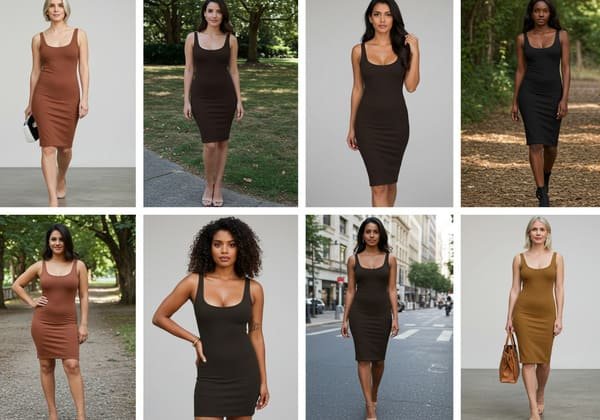
This wide appeal offers stability in wholesale planning.
It contrasts with narrower niches for balance.
Factor in how trends influence long-term sourcing needs.
What Should Wholesale Buyers Know About Sourcing Bandage Dresses?
Sourcing challenges can derail wholesale success.
Picking the wrong suppliers for bandage or bodycon dresses means quality slips.
Let’s look at key considerations for smarter procurement.
For bandage dresses, wholesale buyers should prioritize manufacturers specializing in their unique construction and fit.
This ensures consistent quality and the desired silhouette.
When sourcing bodycon dresses, focus on suppliers known for fabric quality, stretch, and accurate sizing to meet diverse market needs.
Quality control remains paramount for both styles.
How do these tips apply practically?
Stay with me to uncover actionable sourcing strategies for your business.
Sourcing Bandage Dresses
Let’s start with bandage dresses, where precision in sourcing is critical.
Not all suppliers can handle their complexity. Here’s what to focus on.
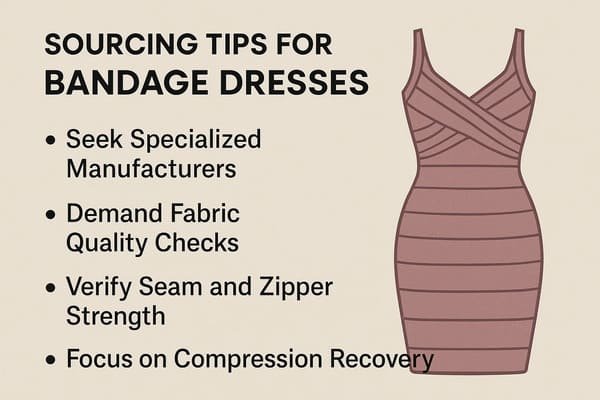
- Seek Specialized Manufacturers: Look for bandage dress suppliers with experience in structured designs.
General factories may fall short.
Industry expertise suggests checking their portfolio for similar work before committing. - Demand Fabric Quality Checks: Bandage fabrics must withstand tight construction without tearing.
Insist on durability tests. Based on experience, poor materials ruin compression over time, disappointing buyers. - Verify Seam and Zipper Strength: Intricate stitching and hardware take heavy wear.
Weak points lead to returns.
Thorough inspection upfront saves headaches in bulk shipments. - Focus on Compression Recovery: Bands should snap back after stretching, maintaining shape.
Test samples for long-term fit.
Consistent performance sets apart a premier bandage dress manufacturer.
These sourcing tips protect your investment in premium stock.
They ensure client trust through quality.
Reflect on building ties with focused bandage clothing suppliers for steady supply.
Sourcing Bodycon Dresses
Turning to bodycon dresses, sourcing offers more flexibility but still demands care.
Fit and feel are everything.
Let’s break it down.
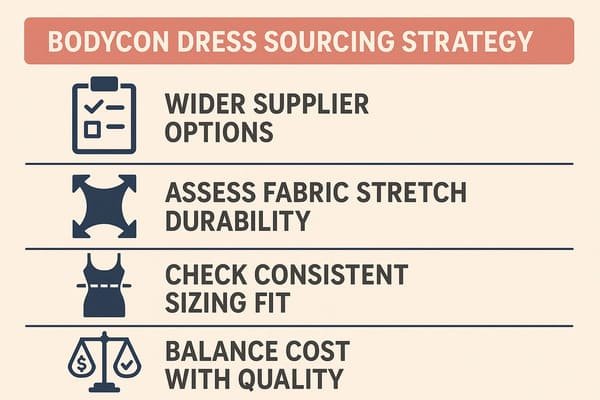
- Wider Supplier Options: Many factories handle this simpler style, giving you choices.
Don’t settle too quickly. Compare capabilities to match your market’s price and quality needs. - Assess Fabric Stretch Durability: Elasticity must hold up through wear and wash.
Test for stretching limits. Poor recovery means sagging fits, which frustrates end buyers. - Check Consistent Sizing Fit: Variations in stretch can skew sizes across batches.
Request strict measurements. Experience highlights that uneven sizing triggers high return rates in bulk orders. - Balance Cost with Quality: Lower production costs tempt cutting corners.
Avoid sacrificing durability. Industry knowledge points to mid-range fabrics for the best value in mass appeal.
These steps streamline sourcing for broad-market styles.
They keep inventory reliable across diverse clients.
Consider how supplier range impacts your negotiation power.
Conclusion
Understanding bandage vs. bodycon dresses equips you to stock smarter, meeting client needs with precision.
This clarity in fit, construction, and market positioning boosts your wholesale edge.
For more on premium bandage dress options, explore our homepage or reach out via our contact page.
Let Fangbei guide your next steps.