
Struggling to stand out in the crowded bandage dress market?
Many wholesalers miss growth opportunities due to ineffective outreach.
A tailored social media strategy connects you with B2B buyers, boosting visibility and sales.
A social media strategy can grow a wholesale business by targeting retailers and distributors.
This involves showcasing products through engaging content and building communities, often using platforms like LinkedIn and Instagram to generate leads.
Consistent posts foster trust and address procurement concerns.
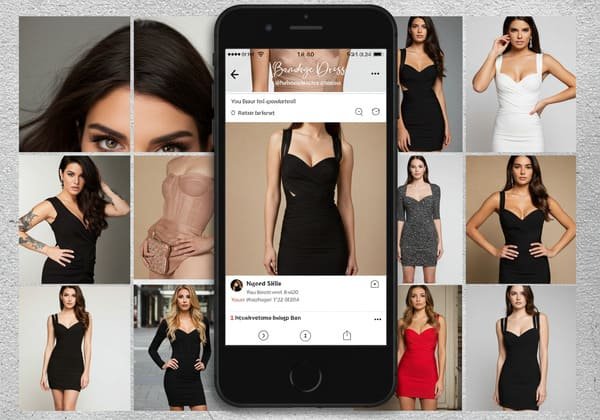
These steps can transform your approach.
Keep reading to uncover practical tactics for expanding your bandage dress wholesale business through social media.
How to Identify Your Target Audience for Bandage Dress Wholesale?
Pinpointing the right buyers feels overwhelming without clear direction.
For bandage dress wholesalers, understanding your audience is the key to crafting messages that convert browsers into loyal clients.
To identify your target audience for bandage dress wholesale, define the specific group most likely to purchase the product by researching demographics, segmenting by industry needs, and utilizing analytics.
This process involves conducting market research to understand buyer behaviors, enabling effective outreach to retailers and distributors.
Continuous feedback integration ensures product alignment with market demands.
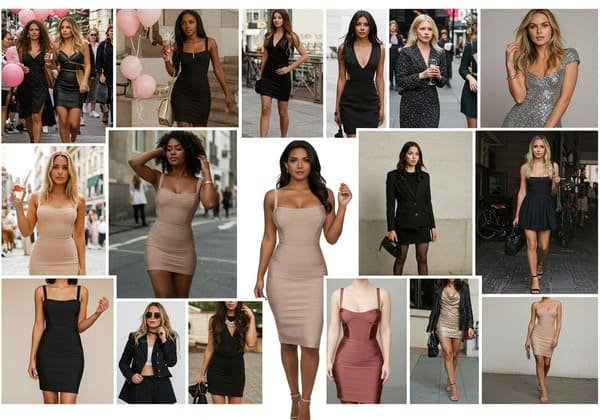
This foundation drives focused strategies.
Let’s dive into defining personas and understanding behaviors to refine your approach.
Defining Buyer Personas
Over 70% of B2B buyers value suppliers who understand their needs.
Creating detailed buyer personas helps bandage dress suppliers target retailers and distributors effectively, ensuring messages resonate.
- Research market demographics: Analyze age, location, and business size of potential buyers.
North American retailers prioritize trendy designs, while European ones focus on sustainability.
Surveys reveal preferences, guiding tailored pitches for bandage dress wholesalers. - Segment by industry needs: Divide audiences by retail or distribution channels.
Large retailers need bulk orders with customization, addressing inventory management pain points.
A bandage dress supplier can tailor offerings to match specific demands, reducing overstock risks. - Utilize data analytics tools: Tools like Google Analytics track buyer patterns for bandage dress factories.
Monitor website visits to identify interest in plus size options.
This data refines outreach, ensuring alignment with market demands. - Incorporate feedback loops: Collect input via post-purchase surveys or social polls.
A bandage dress manufacturer might learn that delivery delays frustrate clients, then adjust logistics.
This builds trust and solves procurement issues.
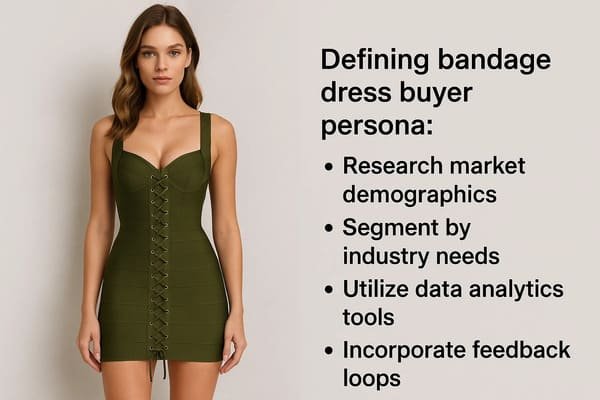
These steps create a clear audience picture.
Next, we explore buyer behaviors to anticipate their decisions.
Understanding B2B Buyer Behavior
B2B buyers navigate complex purchasing paths influenced by trends and budgets.
Mapping these for bandage dress wholesalers addresses challenges like fast fashion pressures and sourcing stability.
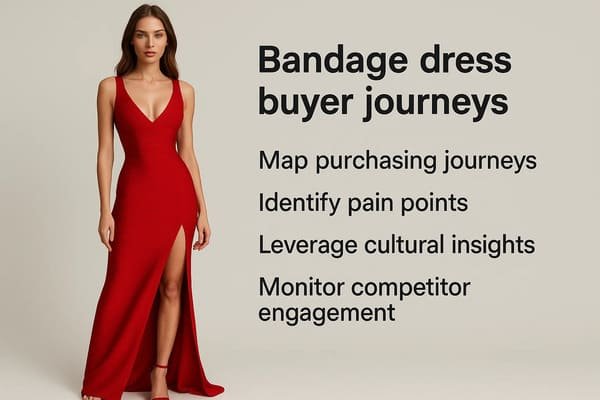
- Map purchasing journeys: Trace steps from discovery to purchase.
Retailers often start with online searches, then request samples.
A bandage dress supplier timing outreach to these stages reduces decision delays in volatile markets. - Identify pain points: Common issues include inventory buildup and inconsistent quality.
Offering flexible MOQs helps wholesalers avoid overstock, as seen in a European distributor cutting excess by 25% through strategic partnerships. - Leverage cultural insights: Adapt to regional tastes, like bold colors in Australia versus muted tones in Europe.
This helps bandage dress manufacturers meet diverse procurement needs, enhancing appeal across markets. - Monitor competitor engagement: Observe rivals’ social interactions.
If a competitor’s fast delivery gains traction, streamline your logistics.
This keeps a bandage dress factory competitive in addressing buyer expectations.
These insights sharpen your strategy.
Now, let’s examine platform selection for maximum reach.
How to Select Appropriate Social Media Platforms for Bandage Dress Wholesale?
Choosing the wrong platforms wastes time and budget.
Selecting the right ones positions your bandage dress wholesale business where B2B buyers are active, driving meaningful connections.
To select social media platforms for bandage dress wholesale, prioritize platforms that align with business objectives and audience behaviors.
LinkedIn excels for B2B networking and lead generation, offering high conversion rates. Visual platforms like Instagram are effective for showcasing products due to their emphasis on high-quality imagery.
Evaluating emerging platforms and integrating e-commerce tools for global reach is also beneficial.
Why does platform choice matter?
Explore targeted strategies to place your bandage dress offerings in front of the right buyers.
Prioritizing B2B-Focused Networks
B2B platforms connect you directly with decision-makers.
Focusing here ensures bandage dress suppliers reach retailers and distributors efficiently, addressing sourcing and procurement needs.
- Focus on LinkedIn networking: Share industry updates in LinkedIn groups to attract retailers.
A bandage dress wholesaler posting about OEM services draws custom inquiries, solving sourcing stability for buyers. - Utilize Facebook for groups: Engage in fashion wholesale communities to discuss trends.
Highlighting ODM capabilities helps buyers tackle fast fashion challenges, fostering trust without heavy promotion. - Explore Alibaba integrations: Link social efforts to Alibaba for seamless B2B transactions.
Bandage dress suppliers gain global exposure, addressing procurement needs in markets like North America with integrated posts. - Evaluate emerging platforms: Monitor platforms like Threads for buyer activity.
Early adoption keeps a bandage dress factory ahead, adapting to shifts in market dynamics for a competitive edge.
These networks build professional ties.
Next, visual platforms amplify your fashion appeal.
Incorporating Visual Platforms for Fashion
Visuals drive 80% of fashion purchase decisions.
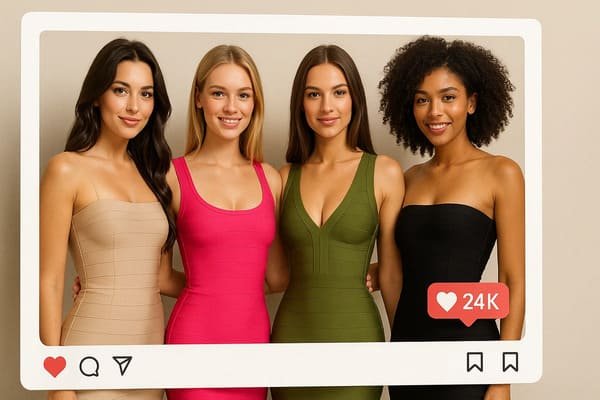
Using platforms like Instagram and TikTok showcases bandage dress designs vividly, captivating B2B buyers.
- Harness Instagram visuals: Post high-quality images of bandage clothing lines.
A bandage dress manufacturer uses stories to show production, easing quality concerns.
This helps retailers visualize stock options. - Leverage Pinterest boards: Curate boards with bandage dress inspirations.
Suppliers pin custom designs, aiding trend spotting.
For example, a plus size board addresses diverse market needs effectively. - Integrate TikTok short videos: Create quick demos of bandage jumpsuits.
These engage younger wholesalers, solving content needs for resale.
Videos increase shares, expanding organic reach. - Combine with YouTube tutorials: Share styling guides for bandage skirt sets.
Factories offer care tips, building expertise.
An Australian buyer cut returns by 15% after following such tutorials.
Visual platforms boost appeal.
Let’s move to crafting content that resonates.
How to Develop a Content Strategy for Bandage Dress Wholesale?
Generic content fails to engage busy B2B buyers.
A strategic approach ensures your bandage dress wholesale messages spark interest and drive action.
To develop a content strategy for bandage dress wholesale, define clear goals and understand your B2B audience.
Create diverse content, including showcases and industry insights, and publish consistently via a content calendar.
Optimize for search engines and regularly analyze performance metrics.
This refined strategy ensures engaging global wholesalers effectively.
These tactics turn scrolls into inquiries.
Let’s unpack creating and scheduling content for maximum impact.
Creating Valuable B2B Content
Quality content establishes expertise in bandage dress markets.
This section outlines how to craft posts that address buyer needs and pain points effectively.
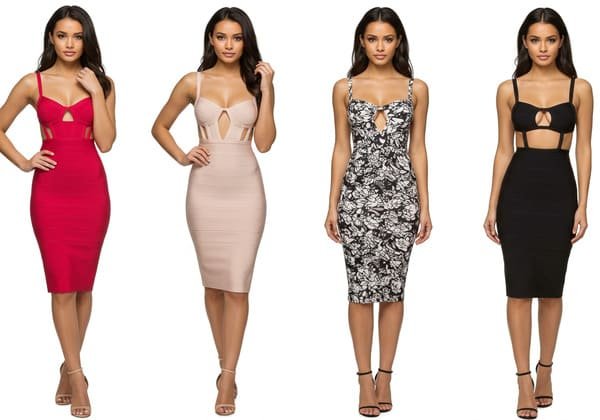
- Produce product showcases: Highlight fabric durability in posts.
A bandage dress wholesaler details custom options, helping buyers avoid quality issues.
Videos show fit, aiding retailer decisions. - Share industry insights: Post on trends like sustainable bandage clothes.
Suppliers discuss eco-friendly demands in Europe, helping clients navigate fast fashion pressures with informed choices. - Develop case studies: Share how a retailer reduced inventory with ODM services.
A North American client cut stockpile by 20% through close collaboration, validating solutions for others. - Incorporate user-generated content: Repost client photos of bandage pants sets.
This builds community, showing real-world use.
It reassures buyers about reliability and customization options.
Content sets the stage.
Now, focus on scheduling for consistent presence.
Scheduling and Consistency
Regular posts keep your bandage dress factory visible amid busy B2B cycles.
This covers planning and tracking for sustained engagement.
- Establish posting calendars: Plan monthly themes around events or seasons.
A bandage dress manufacturer schedules holiday content to align with buyer planning, using tools like Hootsuite for efficiency. - Align with peak times: Post during high-traffic hours, like mornings in target regions.
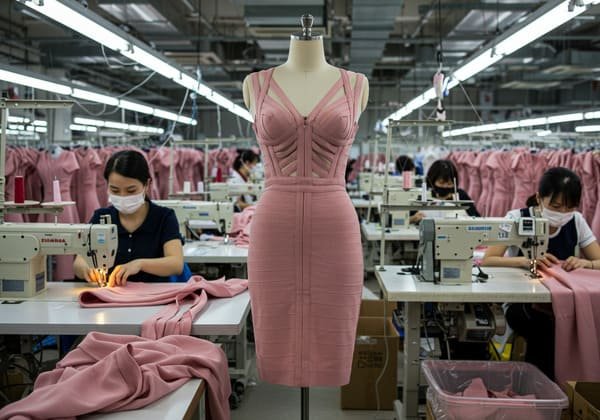
Suppliers analyze data to optimize timing, ensuring messages reach buyers when they’re active online. - Diversify content formats: Mix reels, infographics, and articles on bandage dress factory processes.
This addresses information overload with digestible content, catering to varied buyer preferences. - Monitor content performance: Use analytics to track likes and shares.
Adjust based on high-performing posts, like tutorials, reducing delivery queries, and refining future strategies.
Consistent content fuels growth.
Next, explore building engaged communities.
How to Build Engagement and Community in Bandage Dress Wholesale?
Engagement without strategy fades quickly.
Building a community around your bandage dress wholesale business turns followers into loyal advocates.
To build engagement and community in bandage dress wholesale, prioritize active communication and interaction.
Facilitate discussions, respond promptly to inquiries, and host live sessions to foster real-time connections.
Leverage testimonials to showcase satisfaction and encourage collaborations among B2B partners.
Regularly track engagement metrics to refine strategies for stronger community ties.
These steps create lasting connections.
Let’s explore fostering interactions and advocacy to grow your network.
Fostering Interactions
Active engagement builds trust in bandage dress markets.
This section details how to spark meaningful interactions with buyers.
- Respond promptly to queries: Reply to comments within hours on social platforms.
A bandage dress wholesaler addressing sizing concerns builds confidence, easing product mismatch pain points for retailers. - Host live sessions: Demo new bandage 2 piece sets in real-time.
Suppliers answer customization questions, helping buyers visualize options.
Live Q&As resolve doubts instantly, fostering trust. - Encourage collaborations: Partner with retailers for joint posts.
A virtual event sharing private label ideas boosted reach for a supplier, creating mutual growth opportunities. - Run targeted polls: Ask about preferred bandage dress styles.
Factories use results to guide designs, aligning with trends and addressing buyer needs directly.

Interactions lay the groundwork.
Now, turn to advocacy for organic growth.
Leveraging User-Generated Advocacy
Advocacy turns clients into promoters.
This explores ways to amplify voices for bandage dress suppliers, strengthening community ties.
- Promote client testimonials: Share stories of successful deliveries.
A bandage dress supplier highlights fast turnarounds, helping a distributor avoid shortages, authentically endorsing reliability. - Create referral incentives: Offer sample credits for introductions.
Wholesalers motivate shares, solving sourcing challenges for new contacts by expanding trusted networks. - Build online communities: Form groups for bandage clothing discussions.
This provider hosts trend talks, fostering belonging and knowledge exchange among B2B buyers. - Track engagement metrics: Monitor shares and comment growth.
Adjust based on data, like increasing polls if they boost interactions, ensuring a vibrant community.
Advocacy drives loyalty.
Finally, measure success to optimize efforts.
How to Measure Success and Optimization for Bandage Dress Wholesale?
Untracked efforts lead to missed opportunities.
Measuring success in bandage dress wholesale reveals what drives growth and where adjustments are needed.
To measure success and optimize bandage dress wholesale, define key performance indicators (KPIs) like lead generation and return on investment (ROI).
Utilize platform analytics to track these metrics, informing regular audits to assess stock control and supply chain efficiency.
A/B testing can further refine B2B strategies, ensuring continuous improvement and effective adaptation to market demands.
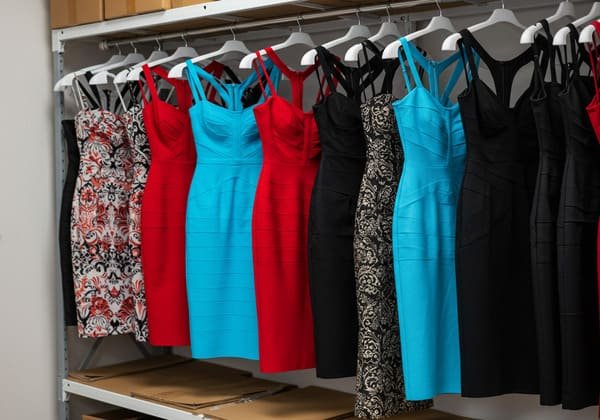
Data shapes smarter decisions.
Let’s unpack tracking and iteration for continuous improvement.
Tracking Key Performance Indicators
KPIs offer clear insights into strategy effectiveness.
This section covers monitoring them to gauge bandage dress wholesale performance accurately.
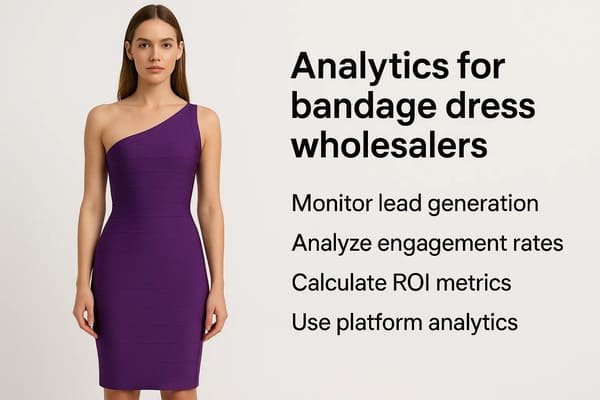
- Monitor lead generation: Track inquiries from social channels.
A bandage dress wholesaler links post conversions to sales pipelines, quantifying outreach impact and identifying high-value sources. - Analyze engagement rates: Review likes, comments, and shares per post.
Suppliers identify top content, like videos, to replicate successes and address underperforming areas effectively. - Calculate ROI metrics: Compare social campaign costs to revenue.
Factories use formulas to ensure investments yield profits, addressing financial concerns in competitive markets. - Use platform analytics: Leverage tools like Instagram Insights for data.
This helps bandage dress manufacturers refine targeting, optimizing for regions like Australia with tailored strategies.
Metrics guide progress.
Now, focus on iterating for sustained growth.
Iterating Based on Data
Optimization requires constant refinement.
These details, auditing, and adjusting strategies keep your bandage dress factory competitive.
- Conduct regular audits: Review quarterly performance against goals.
A bandage dress supplier identifies low-performing content, shifting to formats like reels for better engagement. - Adjust tactics accordingly: Pivot based on data, emphasizing custom services if interest spikes.
This addresses pain points like delayed deliveries, improving buyer satisfaction. - Set growth benchmarks: Aim for targets like 20% engagement growth.
Wholesalers track progress, celebrating milestones to motivate ongoing efforts in dynamic markets. - Incorporate A/B testing: Test post variations, like images versus videos.
A factory saw 40% click increases with videos, informing future content for better results.
These practices ensure long-term success.
Let’s wrap up with key takeaways.
Conclusion
A social media strategy for bandage dress wholesale targets buyers, leverages platforms, creates engaging content, builds communities, and tracks success. These steps tackle inventory, sourcing, and procurement challenges, driving sustainable B2B growth.
At Fangbei, we’re committed to supporting your success with tailored solutions.
Explore more at our homepage or download our bandage dress catalog to start today.


