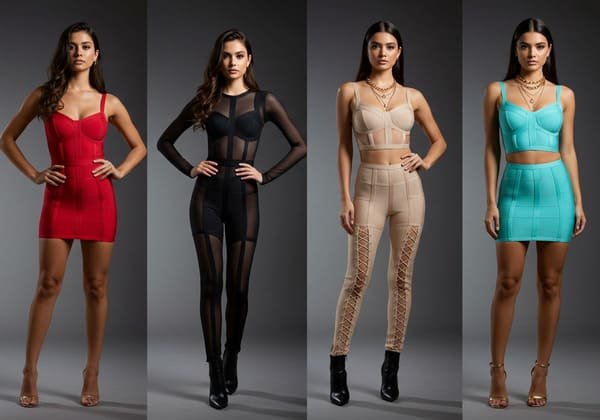
For wholesale buyers, understanding fabric composition in bandage dresses is crucial.
The unique appeal and flattering fit come from specialized materials, ensuring superior drape, comfortable wear, and lasting market value.
Bandage dresses typically utilize dense, stretchable fabrics like rayon, nylon, and spandex blends to achieve their signature body-conforming fit.
These materials provide elasticity, durability, and a smooth finish, essential for the dress’s structure and flattering silhouette.
Understanding these fabric properties is key for wholesale buyers.
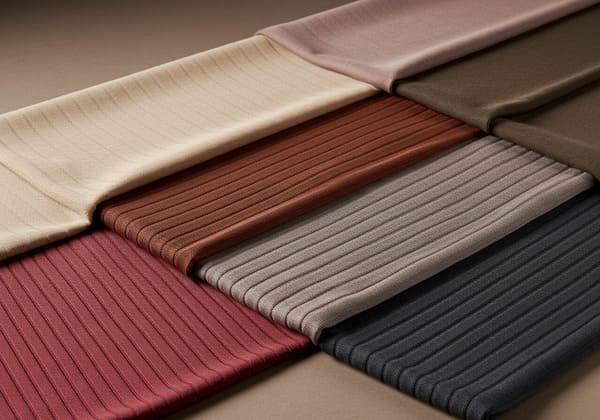
For those acquiring bandage dresses in bulk, a deep understanding of these specialized fabrics is essential.
This knowledge empowers buyers to select high-quality garments that meet customer expectations, ensuring a successful and reputable product offering.
What Makes a Bandage Dress "Bandage"? The Core Characteristics?
Ever wondered what defines a true bandage dress?
Many wholesale buyers miss the unique traits that make this style iconic.
Let’s dive into the essentials that set it apart.
A "bandage" dress is defined by its construction from multiple strips or bands of fabric, often a blend of rayon, nylon, and spandex, sewn together.
These strips are designed to stretch and contour the body, providing a sculpting effect.
This unique structure creates its signature snug fit and smooth silhouette.
Beyond its unique construction, the visual appeal of a bandage dress lies in its ability to enhance the wearer’s natural shape.
This aesthetic is achieved through thoughtful design choices and the strategic use of its signature fabric.
Understanding these elements is key to appreciating its distinctive style.
Defining the Bandage Dress Aesthetic
Ever wondered what defines a true bandage dress?
Many wholesale buyers miss the unique traits that make this style iconic. Let’s dive into the essentials that set it apart.
- Compression and Support: Bandage dresses are engineered to sculpt the body with strong compression.
This creates a smooth, flattering silhouette that enhances natural curves, making them a popular choice for structured party and evening wear collections. - Signature Look and Appeal: The iconic "bandage" style comes from fabric panels sewn strategically, often in horizontal or diagonal patterns.
These mimic bandages wrapping the body, delivering a bold visual impact.
This unique design appeals to buyers looking for standout pieces from premium bandage dress suppliers.
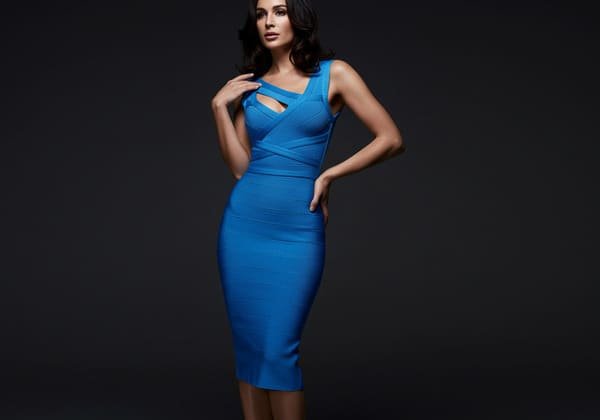
In essence, the "bandage" distinction lies in its unique fabric composition and paneling, which together create unparalleled body contouring and a striking aesthetic.
It’s a must-have for any wholesale inventory aiming to attract trend-focused retailers.
What Are the Key Bandage Dress Fabric Types?
Choosing the right fabric is a game-changer for buyers looking to source quality bandage dresses.
Understanding the materials used is crucial for ensuring the garments perform as expected and meet customer demand.
Let’s explore the main fabric types commonly found in bandage dresses.
Each fabric type offers distinct benefits for bandage dress.
Common choices include rayon, nylon, and spandex blends, sometimes with cotton or silk.
These materials provide varying degrees of stretch, compression, and breathability.
Understanding these fabric properties is essential for selecting garments suitable for different market needs, from body-contouring evening wear to more breathable designs.
Different fabrics contribute uniquely to the feel and performance of these bandage dresses.
While blends offer a range of properties, individual materials like cotton provide specific advantages.
Understanding these distinct qualities helps in making informed choices for various design needs.
Cotton Bandage Dress Fabric
Thinking about comfort and breathability in bandage dresses?
Cotton offers a softer, more breathable option, perfect for everyday wear and warmer climates.
- Breathability and Comfort: Cotton is a go-to for its excellent airflow and comfort. It’s perfect for warmer climates or casual daily wear.
This fabric suits retailers targeting comfort-focused markets with everyday bandage clothing designs. - Softness and Body Conforming: This material feels soft against the skin and molds well to body curves. It highlights a flattering silhouette without feeling too tight. Retailers sourcing from a versatile bandage dress wholesaler often prefer cotton for its wearable appeal.
Cotton bandage dresses blend comfort with a flattering fit, offering a breathable alternative ideal for casual or warmer settings. It’s a versatile choice for diverse retail inventories.
Spandex Bandage Dress Fabric
What gives bandage dresses their incredible stretch and flattering fit?
Spandex is the answer, providing unparalleled elasticity and quick-drying properties essential for dynamic designs.
- Exceptional Stretch and Fit: Spandex offers incredible elasticity thanks to its stretchy fibers.
It adapts to body shapes, enhancing curves effortlessly.
This makes it a top pick for dynamic designs from a sophisticated bandage dress supplier. - Quick-Drying Properties: Spandex dries fast, which is great for summer collections or active lifestyles.
It holds up well in humid conditions.
Buyers looking for functional bandage clothes from a global bandage dress factory should consider this material.
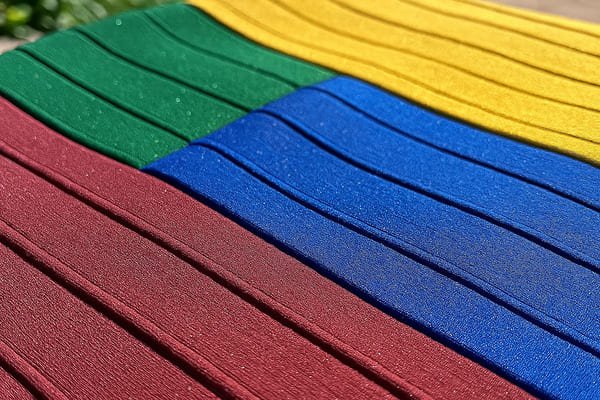
Spandex is indispensable for its superior stretch and quick-drying capabilities, making it ideal for body-contouring and functional bandage dress designs.
It ensures a sleek, adaptable fit.
Silk Bandage Dress Fabric
Craving a touch of luxury in bandage dresses?
Silk offers an exquisite luster and delicate texture, perfect for high-end formal wear, though with unique comfort considerations.
- Luster and Delicate Texture: Silk brings a luxurious shine and soft touch to bandage dresses.
It’s ideal for formal events like evening parties.
This fabric is often sourced from an elegant bandage dress manufacturer for upscale collections. - Breathability and Comfort Considerations: Silk may lack the airflow of other fabrics and feel less pliable.
It prioritizes style over everyday comfort. Wholesale buyers must weigh this when curating high-end bandage clothing lines.
Silk bandage dresses exude luxury and elegance, best suited for upscale occasions. Buyers should balance its aesthetic appeal with its unique comfort profile for high-end collections.
Viscose Fiber Bandage Dress Fabric
Looking for a balance of comfort, durability, and versatility in bandage dresses?
Viscose fiber offers excellent breathability and a flexible fit, making it a practical choice for diverse designs.
- Breathability and Comfort: Viscose, a modern synthetic fiber, offers solid breathability and a pleasant feel.
It works for all-day wear. Retailers partnering with a customizable bandage dress wholesaler often choose viscose for versatile designs. - Durability and Versatility: This fabric resists wear and provides a flexible, body-hugging fit.
It’s suitable for casual or semi-formal settings.
It’s a practical option for diverse markets sourcing from an experienced bandage dress supplier.
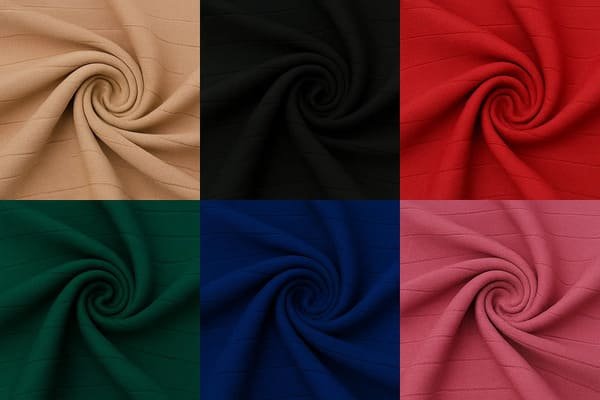
Viscose fiber provides a durable, breathable, and versatile option for bandage dresses, suitable for a wide range of styles from casual to semi-formal.
It’s a reliable choice for diverse market needs.
What Are the Crucial Fabric Characteristics for a Bandage Dress Wholesaler?
Do your bandage dress fabrics meet customer expectations?
Knowing key traits like stretch and weight can make or break your inventory.
Let’s break down what matters most.
For wholesale buyers, critical fabric characteristics for a bandage dress include stretch and recovery, ensuring the garment maintains its shape and provides comfort.
Weight and thickness impact the dress’s drape, support, and opacity.
Finally, opacity and sheen determine the garment’s visual appeal and modesty, directly influencing customer satisfaction.
When selecting materials, certain characteristics are paramount for ensuring the quality and appeal of these garments.
These traits directly influence how a dress performs and looks on the body.
Focusing on key fabric properties helps in curating a desirable collection.
Stretch and Recovery (The Foundation of Fit)
How does a bandage dress maintain its sleek, body-hugging shape?
It’s all about superior stretch and recovery, ensuring the fabric moves with the body and bounces back flawlessly.
- Four-Way Stretch Importance: This allows the fabric to stretch both ways—horizontally and vertically.
It ensures optimal shaping and comfort without limiting movement.
Working with a chic bandage dress supplier, prioritize this for body-conforming designs that sell. - Understanding Recovery: High recovery means the fabric returns to its original shape post-stretch.
It prevents sagging or bagging over time. This is vital for maintaining the sculpted look of bandage clothing in your inventory.
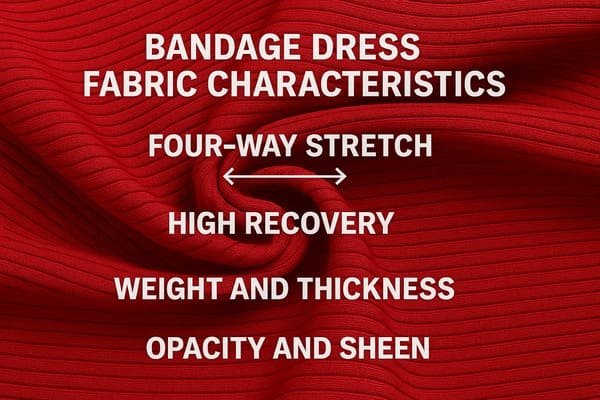
Excellent stretch and recovery are paramount for bandage dresses, guaranteeing a comfortable, sculpted fit that endures wear.
Prioritizing these features ensures lasting customer satisfaction.
Weight and Thickness (Impact on Drape and Support)
How does fabric weight influence a bandage dress’s silhouette and feel?
Understanding GSM is key to selecting materials that provide the perfect balance of support, drape, and comfort.
- GSM (Grams per Square Meter) Significance: GSM measures fabric weight and density.
Higher GSM indicates thicker material, offering better compression and opacity.
This is key when sourcing from a top bandage dress factory for structured designs. - Balancing Support and Comfort: Consider your market’s needs. Thicker fabrics provide more support, while lighter ones suit warmer regions or relaxed styles.
A reliable bandage dress wholesaler can help you find this balance.
Fabric weight and thickness (GSM) directly affect a bandage dress’s drape, support, and comfort.
Balancing these factors is crucial for meeting diverse market demands and ensuring garment quality.
Opacity and Sheen (Aesthetic and Practical Considerations)
Beyond fit, what ensures a bandage dress looks flawless and meets consumer expectations?
Opacity and sheen are vital for both modesty and aesthetic appeal, shaping the garment’s overall impression.
- Ensuring Modesty: Opacity prevents see-through issues, especially when the material is stretched.
Always test samples to confirm coverage under tension.
A trusted bandage dress supplier ensures fabrics meet this practical need for retailer confidence. - Surface Finish and Appeal: Sheen—whether matte or glossy—affects the dress’s vibe.
Match the finish to your brand’s image and customer taste.
Working with an innovative bandage dress manufacturer helps align aesthetics with market demand.

Opacity and sheen are crucial for bandage dress, ensuring modesty and defining aesthetic appeal.
Careful consideration of these elements guarantees garments that are both visually appealing and practical.
How Can a Bandage Dress Factory Ensure Quality Control for Buyers?
Sourcing bandage dresses can be tricky without strict quality checks.
Are you confident in your supplier’s process?
Let’s cover best practices for wholesale sourcing.
To ensure quality control, a bandage dress factory should implement rigorous inspection protocols at multiple stages.
This includes pre-production checks of raw materials and fabrics for defects. During production, in-line inspections help catch issues early, while final quality checks verify finished garments meet standards before shipment.
Regular sample testing and clear communication of specifications are also crucial.
Ensuring the highest standards in garment production involves a series of careful checks.
Before any significant manufacturing begins, evaluating the raw materials is a critical first step.
This initial assessment sets the foundation for the final product’s quality.
Evaluating Fabric Samples (Hands-On Assessment)
How can you be sure the fabric for your bandage dresses meets high standards before bulk production?
Hands-on sample evaluation, including stretch and visual tests, is vital for ensuring quality.
- Stretch and Snap Test: Stretch the fabric in all directions and check its recovery speed.
This shows if it’ll maintain shape over time.
Partnering with a high-quality bandage dress supplier ensures samples pass this critical test for durability. - Visual and Tactile Inspection: Examine weave evenness, color consistency, and texture.
Look for flaws like snags that signal poor production.
A premium bandage dress factory prioritizes flawless materials for your wholesale orders.

Thorough evaluation of fabric samples, including stretch and visual inspections, is crucial.
This proactive approach ensures material quality, leading to superior bandage dresses and reliable supplier partnerships.
Working with Suppliers (Building Trust and Consistency)
How do you foster a reliable partnership with your bandage dress supplier?
Clear communication of specifications and meticulous sample requests are essential for trust and consistent quality.
- Clear Specifications and Communication: Share exact needs—blend, GSM, stretch percentage, and color.
This avoids mix-ups and ensures correct materials.
A stylish bandage dress wholesaler thrives on clear dialogue to meet your custom design goals. - Requesting Swatches and Production Samples: Always ask for current swatches before bulk orders to verify quality.
For large runs, request a finished dress sample to test the fabric in action.
An exclusive bandage dress supplier will accommodate this for trust.
Building strong supplier relationships through clear communication and requesting samples is paramount.
This ensures quality control, consistency, and ultimately, a successful bandage dress line for wholesale buyers.
Conclusion
This guide has unpacked bandage dress fabrics, from types to key traits and sourcing tips.
These insights help wholesale buyers build standout collections with confidence.
For more resources, explore our homepage and reach out via our contact page.
As Fangbei, we’re here to support your bandage dress needs with quality and expertise.