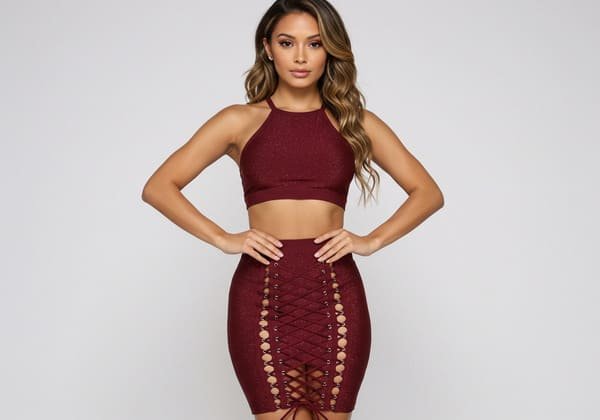
Confused about dress types for your collection? Choosing incorrectly can impact sales.
Let’s clarify the unique appeal of bandage dresses versus regular ones for your business.
A bandage dress is a form-fitting garment crafted from dense, elastic fabric strips designed to sculpt the body.
In contrast, regular dresses encompass a wide array of styles, fabrics, and fits, catering to diverse occasions and preferences.
The primary distinction lies in the bandage dress’s tight, contouring fit, versus the varied silhouettes and comfort of regular dresses.
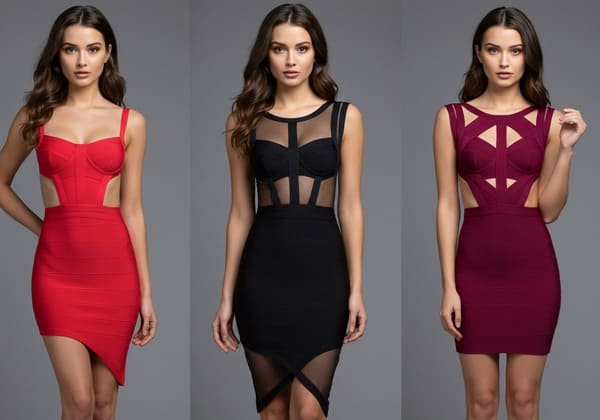
Understanding these differences is key, especially if you’re a bandage dress buyer sourcing unique pieces for your boutique.
I’m Penny Pan, and I’ve seen firsthand how these distinctions impact design and sales.
Let’s explore further to help you make informed decisions for your inventory.
How Do Design and Construction Define Unique Bandage Dresses for Wholesalers?
Struggling to pinpoint what makes bandage dresses special for your customers?
Their unique construction sets them apart.
Discover the secrets behind their iconic, figure-enhancing design.
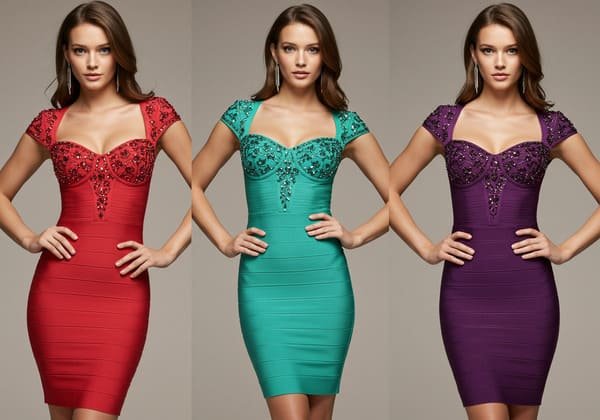
Bandage dresses are defined by a unique construction of multiple elastic bands sewn together.
This design creates a supportive structure that contours the body, offering a distinct silhouette.
The meticulous assembly ensures a firm fit, making these garments stand out for wholesalers seeking versatile inventory.

The magic of a bandage dress lies in its intricate design and build.
Unlike regular styles cut from single fabric panels, these are assembled from strips of heavy, stretchable material – often a blend of rayon, nylon, and spandex.
Think of it as a "second skin" expertly crafted.
Key Construction Elements of a Trendy Bandage Dress
When evaluating these garments, observe how these elements contribute to the overall garment integrity.
A well-constructed bandage dress, often crafted with attention to these details, offers both a flattering fit and lasting quality.
It’s truly about the synergy of design and material.
- Individual Bands: Each strip is strategically placed and sewn to provide targeted compression and support.
This creates that sought-after hourglass silhouette.
I recall a time when a design team perfected a new stitching technique for a two-piece set, enhancing the sculpting effect significantly, and clients saw an immediate positive response. - Heavy-Duty Zippers: These dresses often feature robust zippers, usually at the back.
These are essential to maintaining the structure and enabling a snug fit. - Reinforced Seams: Given the tension these bandage dresses are under, seams must be incredibly strong.
Double-stitching key areas ensures durability for long-term wear.
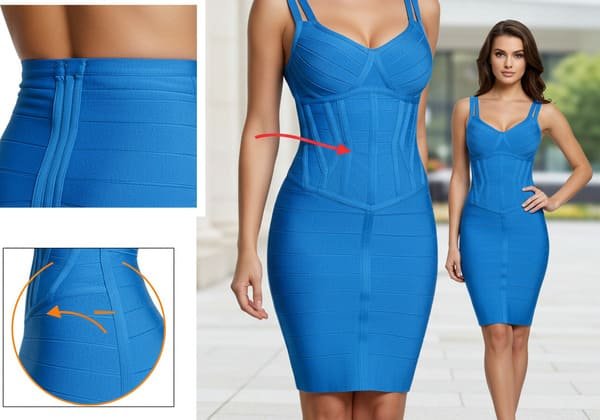
This detailed construction creates a striking, supportive garment, perfect for special occasions.
For wholesale buyers, understanding these manufacturing details is essential to sourcing quality pieces.
Bandage Dress Materials vs Regular: Why Stretch is Key for Suppliers?
Wondering about the fabric feel and performance?
Bandage dresses prioritize amazing stretch and hold.
Regular styles offer more material choices but less shaping.
Let’s explore why this difference matters for your inventory as a buyer.
Bandage dresses are made from thick, stretch-knit fabrics like rayon, nylon, and spandex blends, ensuring strong compression and a body-hugging fit.
In contrast, regular dresses use diverse materials such as cotton, silk, and polyester, providing varied textures and looser drapes.
Stretch defines bandage styles for distinct shaping.
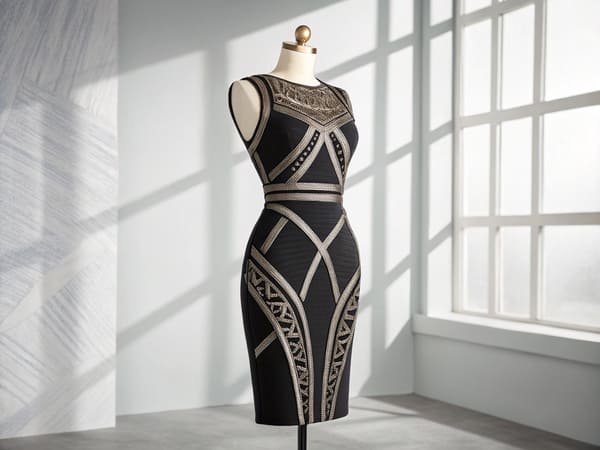
The choice of fabric is a defining factor distinguishing these dresses from conventional options.
For a true bandage style, the material is the technology, offering both form and function.
Bandage Dress Fabric Focus: The Secret to Quality
Understanding the fabric is paramount when sourcing these unique bandage dresses.
The blend and construction truly define both the garment’s aesthetic and its performance over time.
It’s about recognizing how specific material properties contribute to the desired body-sculpting effect:
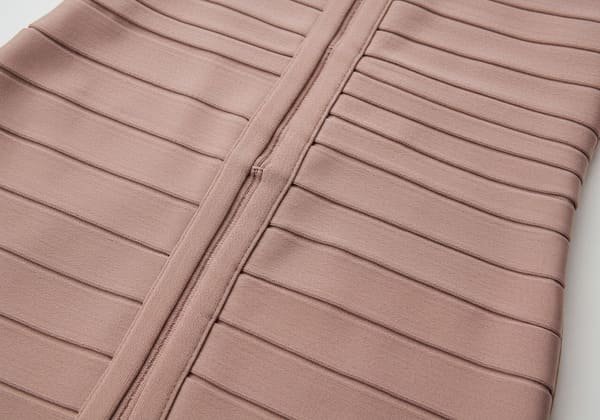
- High Stretch & Recovery: The core fabric, typically a blend of rayon for softness, nylon for strength, and spandex for elasticity, is engineered to hug the body tightly.
It must retain shape even after multiple wears.
Controlling fabric quality is a huge advantage for buyers seeking consistent standards. - Weight and Thickness: Bandage material is notably heavier than most fabrics used for everyday dresses.
This density contributes to its smoothing effect, acting like built-in shapewear to flatter the figure.
Regular Dress Fabric Versatility:
- Broad Spectrum: Regular dresses can be crafted from lightweight cotton for summer, luxurious silks for evening wear, breathable linens, or cost-effective polyesters.
This variety allows for diverse styles and price points. - Drape and Flow: Many fabrics are chosen for their flow or specific textural qualities, rather than their ability to sculpt the body.
Ultimately, the choice of fabric greatly impacts a dress’s purpose and fit.
Bandage dresses prioritize sculpting and support through specific blends.
In contrast, regular dresses offer broader material versatility, emphasizing drape and diverse styling.
It’s a key distinction for any buyer to consider.

Decoding Dress Fits: Bodycon Bandage Silhouette vs Diverse Regular Styles for Buyers?
Is every tight dress a bandage dress? Not quite.
While bandage styles are inherently bodycon, regular ones offer a universe of silhouettes.
Let’s clarify this for buyers sourcing inventory.
Bandage dresses feature a body-conscious fit, designed to tightly hug and shape the figure for a sculpted look.
Regular dresses, however, offer a range of silhouettes like A-line, empire, sheath, ballgown, and shift, accommodating various body types and style preferences for diverse needs.
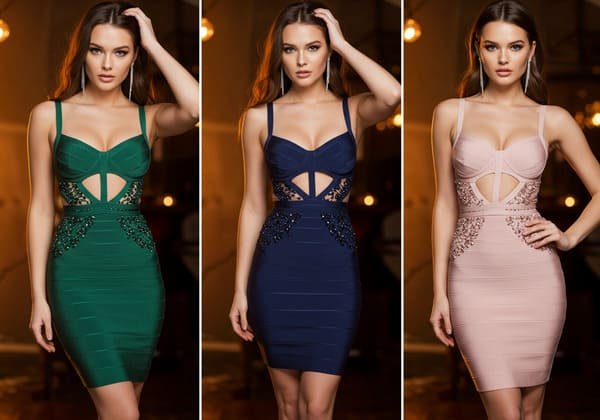
The fit and resulting silhouette are perhaps the most visually obvious differences between these two categories.
It’s a core selling point to communicate clearly to your market.
The Signature Silhouette of a Sleek Bandage Dress:
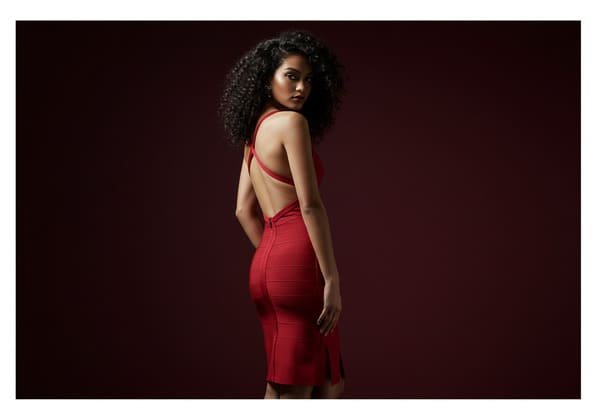
- Body-Hugging by Design: There’s no ambiguity here. A bandage dress is always bodycon.
Its construction is engineered to compress and contour, creating a smooth, often hourglass, shape to enhance curves. - Uniform Tightness: The specialized stretch fabric ensures a consistent tight fit across the garment.
This provides reliable shaping for a polished look.
Diverse Silhouettes of Regular Dresses:
- A-Line: Fitted at the shoulders, gradually widening towards the hem, flattering many body types.
- Empire Waist: Features a fitted bodice ending just below the bust, with a gathered, flowing skirt.
- Sheath: A straight cut, typically nipped at the waistline, often without a horizontal waist seam, offering a sleek look.
- Ballgown: Characterized by a fitted bodice and a very full, dramatic skirt.
- Shift Dress: Falls straight from the shoulders, with little to no waist definition, prioritizing comfort.
- Wrap Dress: Closes by wrapping one side over the other, often adjustable for a custom fit.
Regular dresses suit diverse body types and comfort levels.
Yet, for a sculpted, glamorous look, bandage styles excel.
Collaboration with buyers often focuses on preserving this bodycon integrity while exploring variations.
Styling Guide: Event-Driven Bandage Dresses vs Everyday Regular Dress Versatility for Retailers?
When should customers wear which dress?
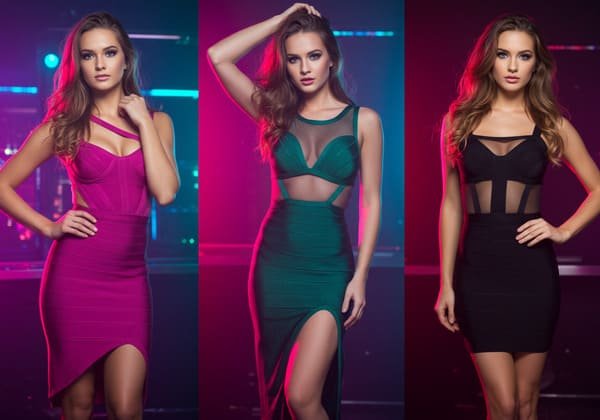
Bandage dress styles shine at parties and special events.
Regular options offer broader, everyday styling possibilities.
Let’s break down their ideal settings to help you advise customers and stock wisely.
Bandage dresses are ideal for events like parties and clubs, designed for a bold, figure-hugging appearance.
Regular dresses provide broader versatility, fitting work, casual outings, and formal occasions based on their style, meeting diverse retailer and customer needs for various settings.
Understanding the optimal occasions for each dress type is crucial for both consumers and buyers.
The styling also differs significantly, impacting how these bandage clothing are presented and sold.
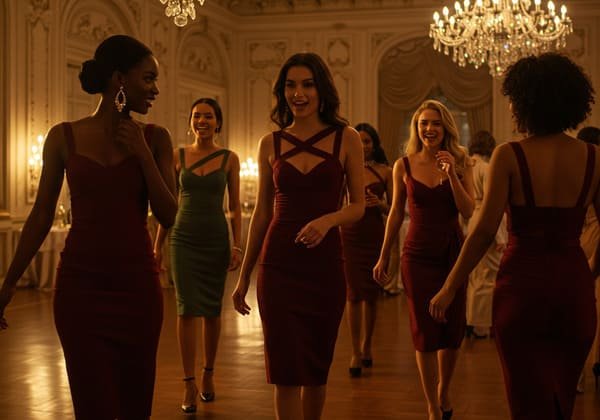
Styling Chic Bandage Dresses: Made for the Spotlight
- Event-Focused: The inherent glamour and body-hugging nature of these bandage dresses, including plus size options, make them a go-to for evening events, cocktail parties, celebratory dinners, and upscale clubbing.
They are designed to make a statement. - Styling: Typically paired with high heels to elongate the legs and enhance the silhouette.
Jewelry can range from delicate to bold, depending on the neckline and color.
A clutch is often the bag of choice.
Due to their structured nature, they’re generally not suited for work or very casual settings.

Styling Regular Dresses: Adaptable for Life’s Many Moments
- Everyday to Formal: The variety of regular dresses means there’s one for almost any occasion.
A cotton sundress for a casual day out, a tailored sheath for the office, or a flowing chiffon gown for a wedding. - Styling Versatility: These can be styled up or down with accessories. Sneakers, sandals, boots, or heels all work depending on the design.
Layering with jackets or scarves allows personalization.
While a bandage dress offers a specific kind of allure for certain events, regular styles provide a broader canvas for daily life.
For businesses stocking such garments, focusing on the "special occasion" angle is key.
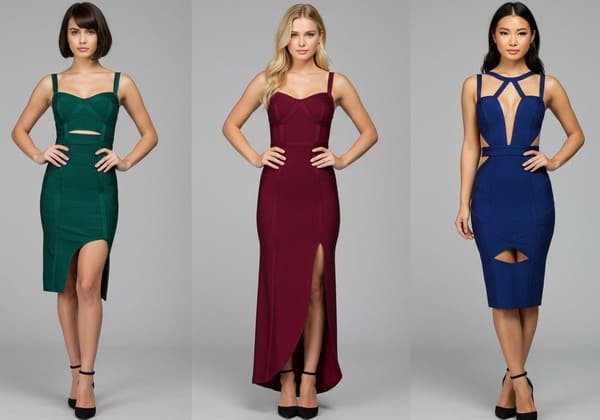
Bandage Dress Market Appeal: Understanding Niche Demand vs Broad Trends for Your Inventory?
Who buys these different types of dresses?
Bandage dress styles attract a specific, fashion-forward customer.
Regular options appeal to a much wider audience.
Understanding this helps target your market effectively.
Bandage dresses appeal to a niche market that values figure-enhancing, glamorous attire for special events.
Trends here evolve around cutouts, embellishments, and lengths.
Regular dresses have broad market appeal, with trends influenced by seasons, designer collections, and general fashion movements.
The market dynamics for these two categories are quite different.
This distinction impacts how a wholesaler or retailer approaches their business strategy, inventory, and marketing.
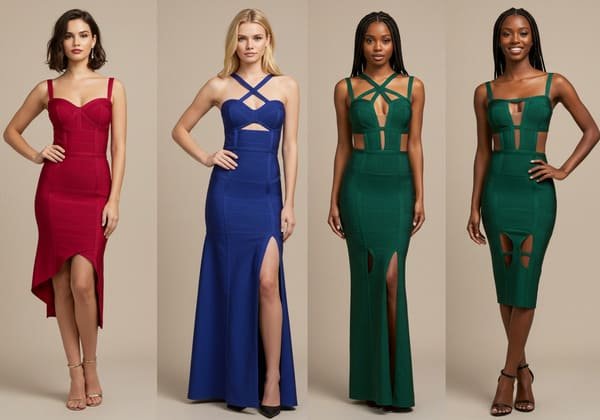
Bandage Dresses: A Dedicated Niche with Loyal Customers
- Target Audience: The customer for this bandage dress style is typically confident, body-aware, and looking to make an impression at social events.
They value the quality construction and unique shaping effect.
This includes options for various sizes that offer support and style. - Trend Cycle within the Niche: These dresses stay form-fitting, but trends bring new necklines, sleeve lengths, cut-outs, and embellishments.
Releasing fresh designs monthly keeps buyers engaged. - Consistent Demand: Though it serves a niche, there’s steady demand from customers who favor this silhouette for their going-out wardrobe and special occasions.
Regular Dresses: A Broad and Dynamic Market
- Mass Appeal: Regular dresses cater to all ages, body types, and style preferences, resulting in a larger, more diverse market.
This means more potential customers but also more competition. - Fast-Moving Trends: Trends in regular styles are influenced by runway shows, seasonal changes, and celebrity looks.
This can mean quicker turnover and constant market monitoring.

For bandage dress wholesale businesses in North America, Europe, and Australia, success requires consistent quality and trendy designs.
Focusing on niche appeal helps meet specific customer needs effectively.
Sourcing Bandage Dresses: Specialized Manufacturing vs Flexible Options for Wholesalers?
How are these dresses made, and what does it mean for sourcing?
Bandage dress production is specialized and complex.
Regular styles allow for more flexible manufacturing approaches.
This impacts sourcing decisions for global buyers.
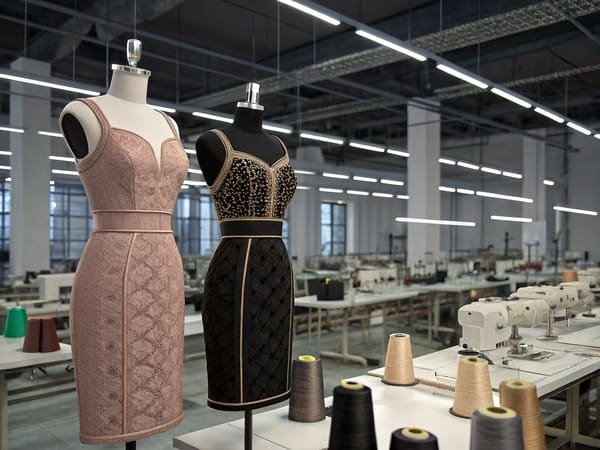
Manufacturing bandage dresses requires specialized machinery, skilled labor for the intricate sewing of individual bands, and rigorous quality control for fabric stretch and garment construction.
Regular dress production can be more flexible, utilizing various sewing techniques and a wider range of fabric suppliers.
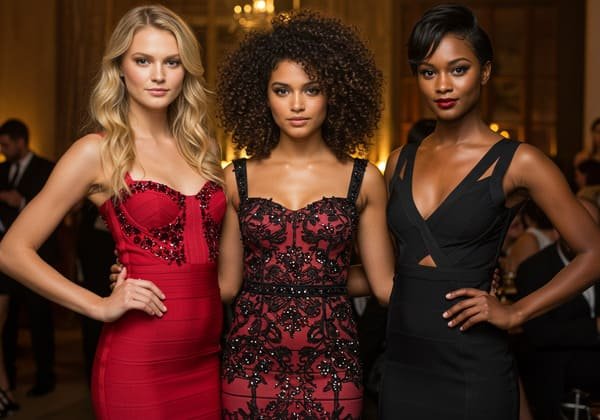
The manufacturing process significantly differentiates these two categories.
This is a key consideration for anyone looking to source unique apparel for their business.
Specialized Production of High-Quality Bandage Dresses:
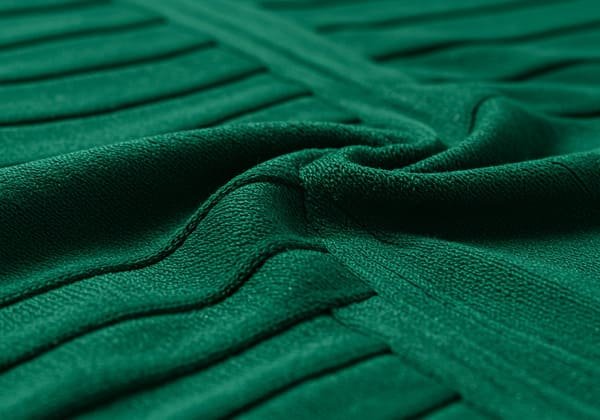
- Fabric Expertise: Sourcing or producing the specific high-stretch, heavyweight fabric is the first crucial step.
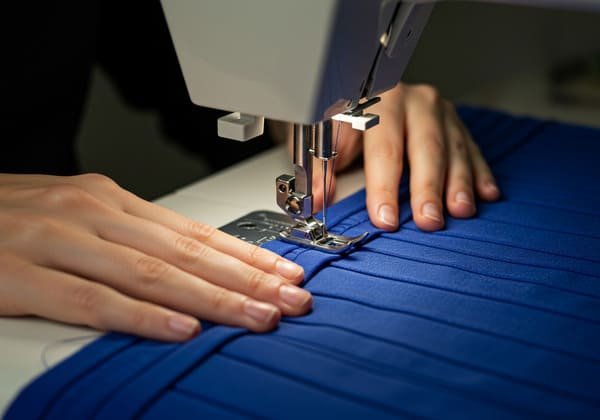
Vertical integration in production often ensures consistent quality for various apparel types. - Intricate Assembly: Sewing elastic bands together precisely to achieve the desired contouring effect requires skilled operators and specific setups.
It’s significantly more labor-intensive than typical dressmaking.
- Quality Control (QC): Rigorous checks are essential to ensure fabric consistency, seam strength, and overall structural integrity.
A flaw in one band can compromise the entire piece.
A dedicated inspection process at every stage is vital. - Personal Insight: I recall a buyer from Australia needing a custom jumpsuit with a complex series of interwoven bands for an exclusive collection.
The design and production teams worked for weeks to perfect the prototype.
It was challenging, but the result became a bestseller for them.
Flexible Manufacturing of Regular Dresses:
- Varied Techniques: Production methods for regular styles range from simple cut-and-sew operations to more complex tailoring for formal wear.
- Wider Supplier Base: A broader range of fabric mills and factories can produce these dresses.
This often allows for more sourcing options and potentially competitive pricing on simpler designs. - Scalability: Mass production of certain styles can be quicker to scale up compared to specialized garment creation.
Choosing a bandage dress supplier with expertise in these specialized techniques is vital for businesses wanting to offer high-quality, authentic pieces.
A one-stop solution from design prototypes to bulk shipments can simplify the process.
Effective Retail: Selling Niche Bandage Dresses vs Broad Market Regular Styles for Buyers?
How do you sell these dress types effectively to end consumers?
Niche marketing works best for bandage styles.
Broad strategies suit regular options.
Let’s explore winning approaches for retailer clients.
Retailers of bandage dresses often use targeted marketing, emphasizing glamour, body confidence, and event-specific wear.
Regular dress retailers employ broader strategies, segmenting by occasion, style preference, price point, and seasonal trends to appeal to a wider customer base.
The sales and retail strategies for bandage styles should reflect their distinct market positions.
This understanding is vital for maximizing sell-through rates.
Selling Stylish Bandage Dresses: A Focused Approach for Retailers
- Niche Marketing: Focus on channels reaching women seeking glamorous evening wear.
Platforms like Instagram, fashion blogs, and collaborations with event-focused influencers work well.
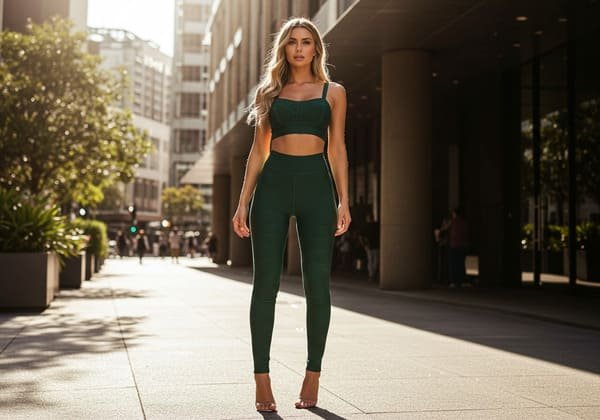
Use visuals that showcase the intended setting. - Highlighting Unique Selling Propositions (USPs): Emphasize the figure-sculpting properties and the confidence-boosting fit.
Use descriptive language and high-quality imagery in listings.
For example: "Feel like a star at your next event with dresses that sculpt your silhouette."
- Educating the Customer: Since the fit is integral to the experience, providing clear, detailed sizing guides and information about fabric nature is crucial.
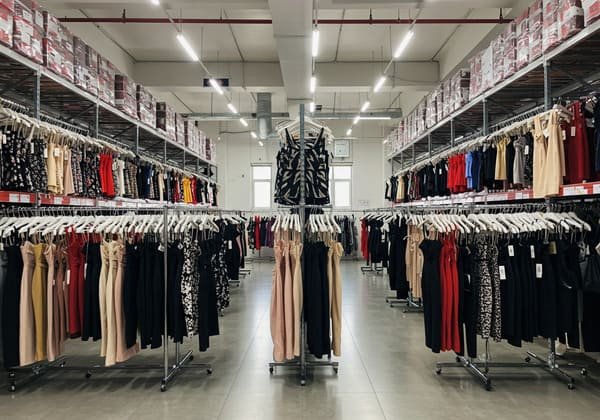
Offering comprehensive specifications helps inform end customers effectively. - Visual Merchandising: In a physical store, display these dresses to convey luxury and occasion wear.
This might mean a dedicated section with accessories.
Online, ensure high-resolution images from multiple angles.
Selling Regular Dresses: A Broader Strategy for Diverse Appeal
- Market Segmentation: Target segments based on style preference, occasion, and price point.
- Seasonal Promotions: Align campaigns with seasons, holidays, and major fashion trends seen on social media.
- Wide Appeal Messaging: Focus on versatility, comfort, current trends, and variety to suit different tastes.
For bandage dress buyers in North America, Europe, and Australia, market insights and success stories can guide effective strategies.

Choosing Your Stock: Key Bandage Dress Differences & Partnering with Experts?
Ready to choose the right dresses for your clientele?
Understanding these core differences empowers your buying decisions.
Let’s recap how focusing on quality and innovation can help your business thrive.
Bandage dresses offer unique, sculpted glamour ideal for events, featuring specialized construction.
Regular dresses provide everyday versatility in style, fabric, and occasion.
Partnering with an experienced supplier ensures quality, innovation, and styles that sell.
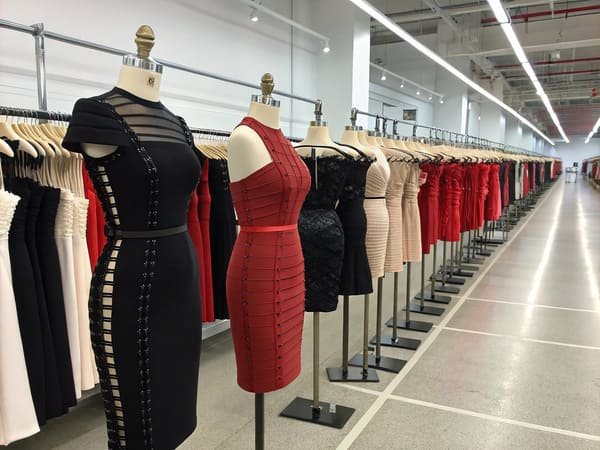
Bandage dresses stand out with unique designs, materials, and body-contouring appeal, offering confident style for buyers.
Focusing on innovative, customizable solutions for global markets can set your inventory apart.
Conclusion
Bandage dresses are specialized, body-sculpting garments for events, offering a unique niche.
Regular dresses provide diverse styles for all occasions.
Choose wisely for your target market and business success.
To start your custom order, Contact Us Now!